In our fifth show floor report from AIA26, Architosh will start talking about dozens of companies that were at the national AIA conference. This conference saw a significant upturn in digital tool makers exhibiting from prior years. Part of this increase may be the California location, but another major driver we know is at play is artificial intelligence (AI) and how this foundational technology is a driving force in both AEC software startups and new products from incumbents in the industry.
A Curated Selection
What follows is a non-alphabetically ordered curated selection of companies we were introduced to on the show floor, heard about from various sources, or researched before and after our attendance. Many of these we already know, while quite a few are newcomers. We will start with the newcomers and those that really interested us the most.
neoBIM GmbH
This relatively new AEC software company is based in Germany, and its founder and CEO, Moritz Luck, was the co-founder of the award-winning Enscape real-time, interactive rendering program. Its chief product officer (CPO) is also a former CEO of one of the Nemetschek Group’s major daughter companies. So if we want to think about this as a music band, two leaders of this new German software company have hit albums that have gone platinum status—sticking with the music analogy for a moment.
So what does neoBIM do? What do they make?
At AIA26 we had a chance to see their products (including ones under development) up close. Their current shipping products include a series of digital tools under the buildOS moniker. These are “AEC tools, built from the AI up.” That is a bit of a moniker for them.
Each tool solves a real bottleneck, and each tool can be used by itself or together on newBIM’s buildOS platform.
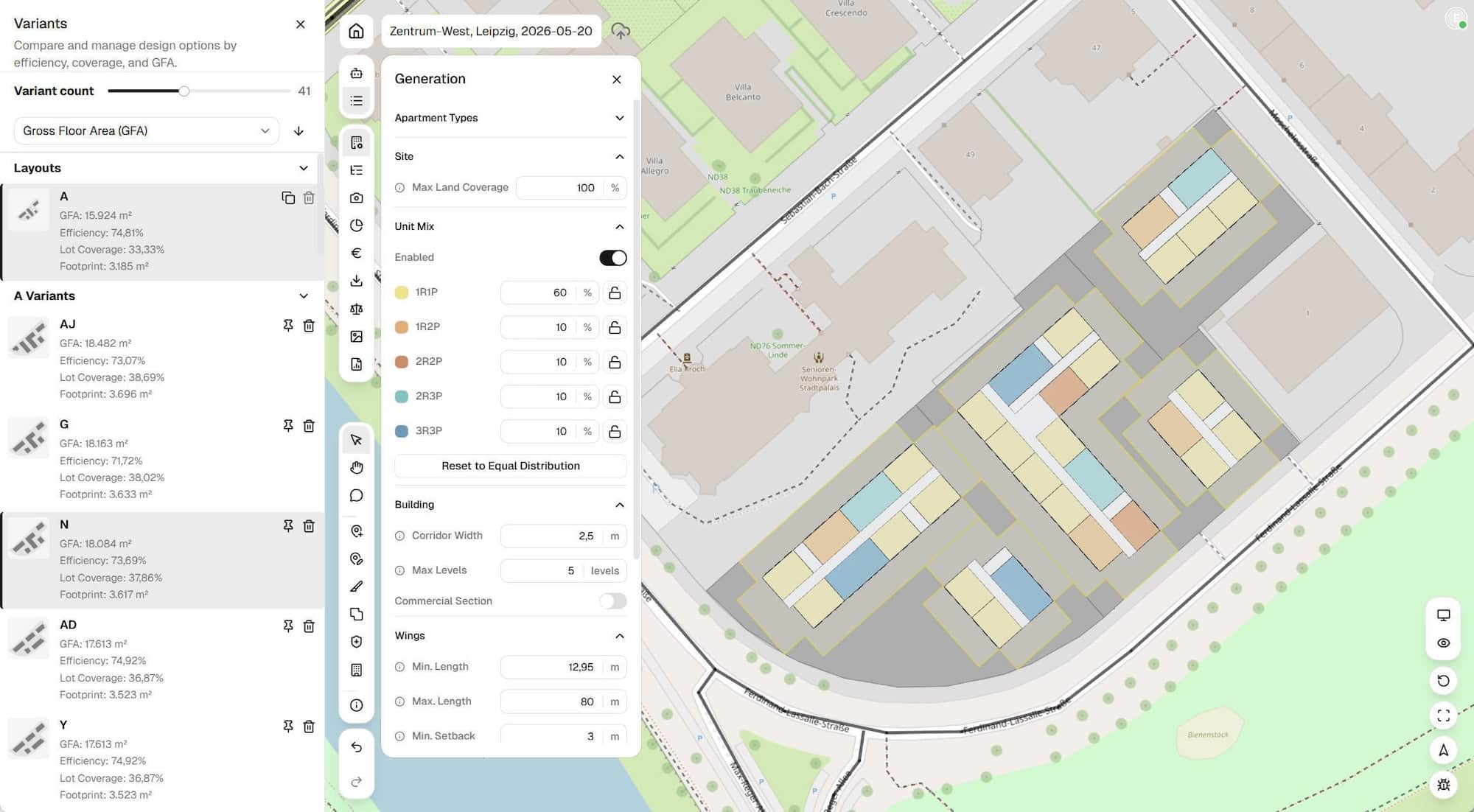
An image of Gen, by neoBIM GmbH of Germany. (Image: neoBIM)
Tool one is called Gen. This looked and felt like TestFit but with a twist and a bit supercharged. You select your plot (building site), and Gen drafts up every code-compliant build the site can hold. You can select a solution and then start manipulating it. The process is a four-step one: Enter an address. See what you can build. Know if it pays. And finally, take over time. It’s at this last step that you can begin to move, resize, redraw, and manipulate any of the building solutions directly.
At the same time, all the numerical data you need to test sites with real buildings and real programs is given to you in real time as you manipulate the model. Finding out what a project is worth (what it pays): Gen works with buildable GFA and unit mix, then with GDV, yield, cost per sq ft, and net return, using local market data.
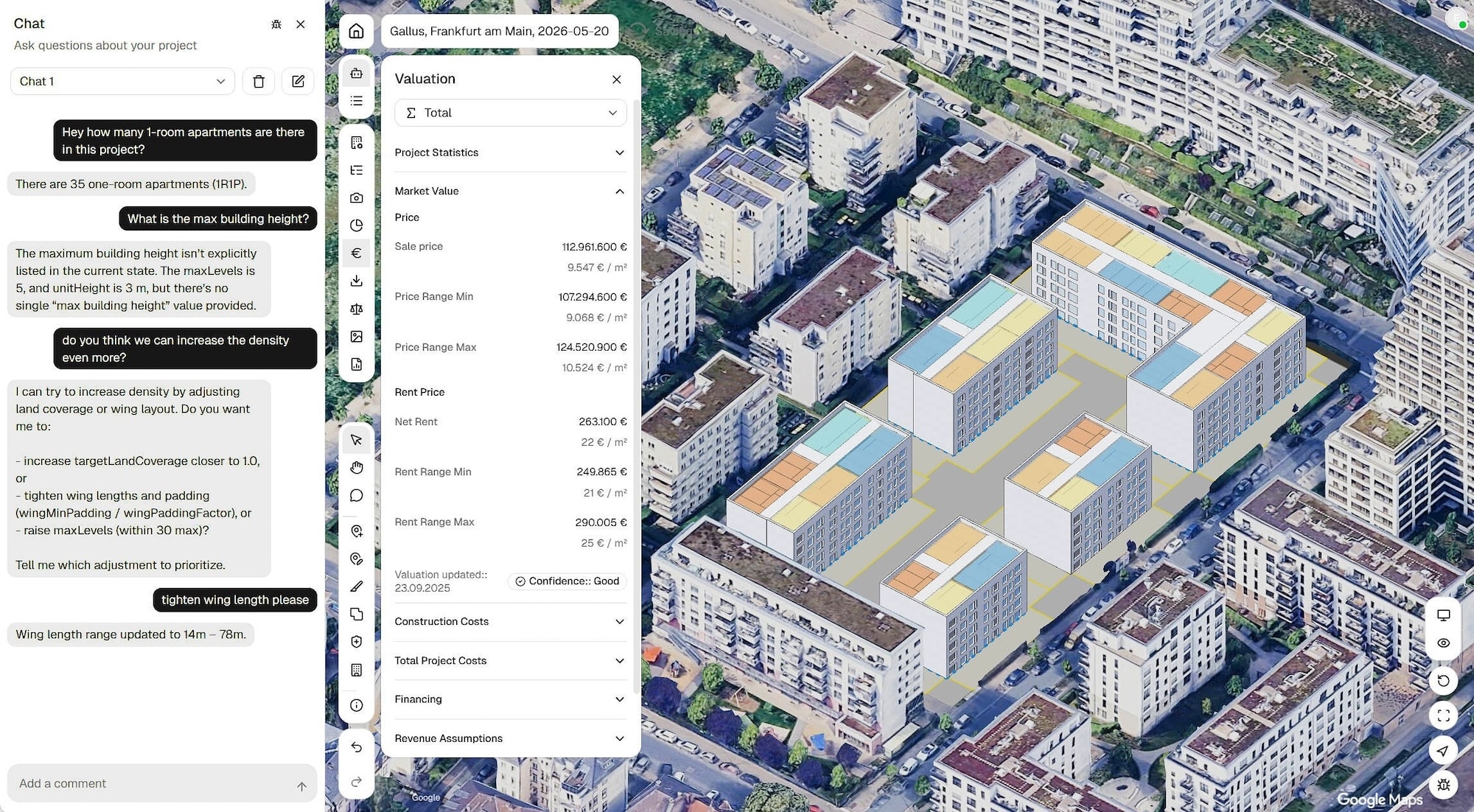
Another image of Gen, from neoBIM GmbH. At AIA26, Gen was making some noise and the cognoscenti of digital tools in AEC were whispering about it. (Image: neoBIM)
Once you are done working out sites and a solution in neoBIM’s Gen tool, you export 3D Revit or IFC models, PDFs of plans and views, etc.
Other tools this company now has include Insider (which reads every council meeting in 250+ German municipalities), zoning changes, design competitions, etc. This is about winning the work. Tender is their third tool, and it manages the Tendering phase process.
Finally, we got a sneak peek at this company’s brand new AI-first oriented BIM authoring application under development. It is important to note that today’s BIM authoring tools (all the desktop-era ones) require substantial re-architecting at the data and metadata levels to be best-fit for the agentic AI era.
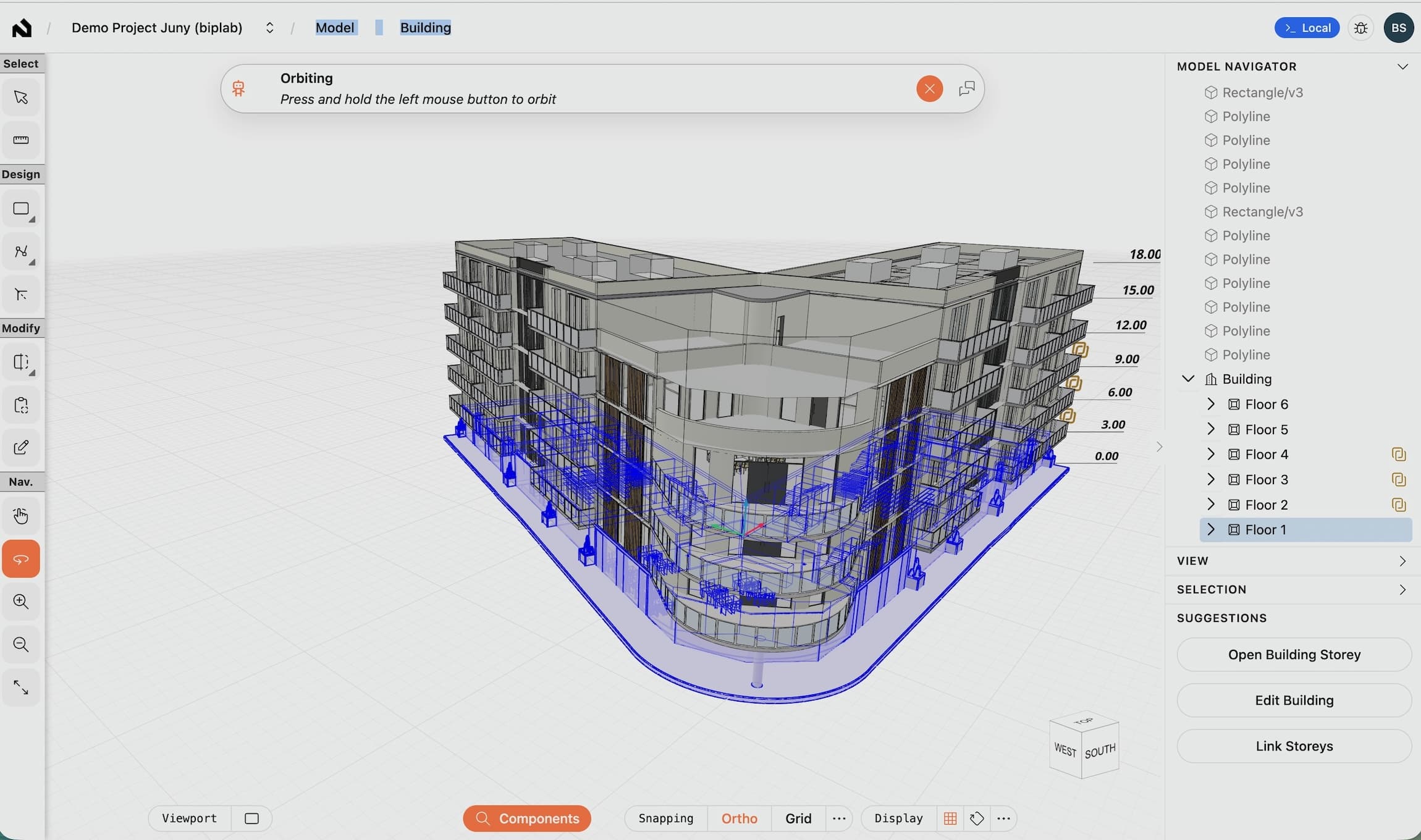
This image shows neoBIM’s AEC industry-first BIM tool, written from the ground up for agentic AI. The move from today’s BIMs to the future of agentic AI BIMs means moving from a database schema that is strictly deterministic versus data structures that natively support “probabilistic multi-states”
Desktop-era models are saved in large, proprietary relational databases. An agentic AI-native BIM tool replaces static, monolithic files with dynamic, semantic data streams designed for machine comprehension and real-time collaboration. The real-time part is already part of the BIM 2.0 definition this publication—and AEC Magazine principly—have solidly defined and written about. But BIM 2.0 emerged prior to OpenAI’s groundbreaking ChatGPT and Anthropic’s model context protocol (MCP server model). That means tools like neeBIM’s new BIM engine represent true agentic AI-first platform technology for the AI era.
Architosh Analysis and Commentary
A completely brand new BIM platform engine that is agentic-AI-centric is an exciting new prospect in the AEC market, and this company was getting a lot of attention and discussion on the show floor by other digital tools providers. That alone says quite a bit. This is a company that we intend to watch very closely, and we encourage Architosh readers to explore their technology and solutions.
Archistar Inc.
Archistar is from Australia, and we have written about the company a few times inside our Xpresso newsletter, where we focus on emTech (emerging technologies) in AEC/O. From the earliest years, we have been impressed with Archistar but wondered how this Australian software company was going to grow globally or to the US.
Initially, Archistar launched as a platform aimed at property finding and planning workflows, recognizing that historically architects and developers spent weeks digesting zoning codes and regulations impacting what you could do with a given property. Interestingly, this is the kind of thing that is now partially automated with the Gen tool we just wrote about above from neoBIM GmbH.

Archistar eCheck is an AI PreCheck plan review application.
Archistar would allow users to select a plot of land and instantly generate thousands of compliant 3D building concepts on it (from apartments, mixed-use, townhomes, etc), all tailored to local building and zoning limitations. This is still a great pain point to solve, by the way, but the Australian company did a major pivot and now offers an AI PreCheck application (formerly eCheck).
Today, Archistar is an AI plan review platform, and using AI technology to review for compliance was a very hot topic this year at AIA26. What makes Archistar different from, say, Kestrel Labs’ compliance platform is the target audience. Archistar is built for local governments. The software can read CAD, PDF, and BIM files and evaluate them automatically against compliance regulations (zoning, building codes, etc).
Another interesting pivot is the North American one. With capital raises of USD 22 million in 2022, the Australian firm opened offices in Los Angeles and Vancouver. The platform is now used by over 30 major North American cities, including LA County, the City of Austin, and New York City.
Archistar still offers its earlier generative design solutions. There is a free Archistar to Autodesk Forma integration.
MeltPlan
This is another well-funded (to the tune of USD 14 million) AI-native planning engine for pre-construction. MeltPlan handles building code, cost, scheduling, and value planning. These activities are addressed through Melt Code, Melt Takeoff, and Melt Bid.
For architects, MeltPlan offers instant, expert-grade compliance research to guide design decisions. This is not a black-box AI system that doesn’t reveal its AI methodologies and knowledge paths. MeltPlan says its system is trained to understand building industry knowledge, including codes and standards, AEC ontologies, building elements and assemblies, quantities and scopes. And every result comes with clear reasoning explained. There is even a visualization created. (see image below).
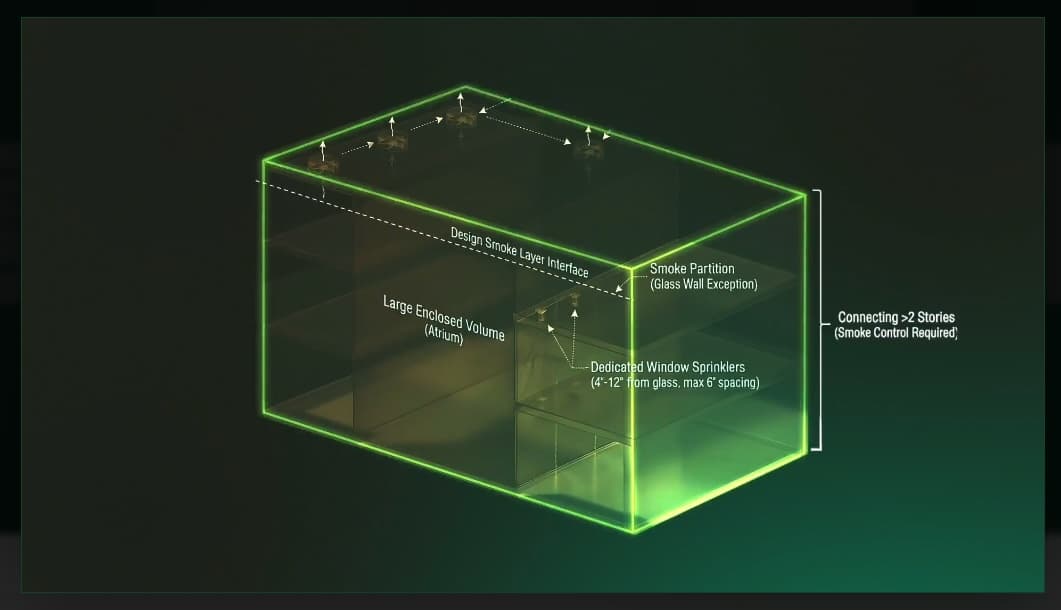
MeltPlan can produce 3D visuals that can illustrate code review analysis results.
Then there is Melt Bid, to “level bids in minutes, not hours,” as their tagline suggests. This solution works in the cloud or in Excel and helps professionals level bids up to 10x faster than traditional workflows. Using AI, the system generates a full comparison of uploaded bids based on your template in minutes, not hours. To learn more about MeltPlan, visit them online.
Mosaic
Finally, Mosaic is another new company to us, and it’s a project resource planning, management, and forecasting application. This is a solution aimed at larger organizations, and the general philosophy is simple—when work is planned, everything goes better downstream, schedules stabilize, utilization rates rise, and profitability follows.
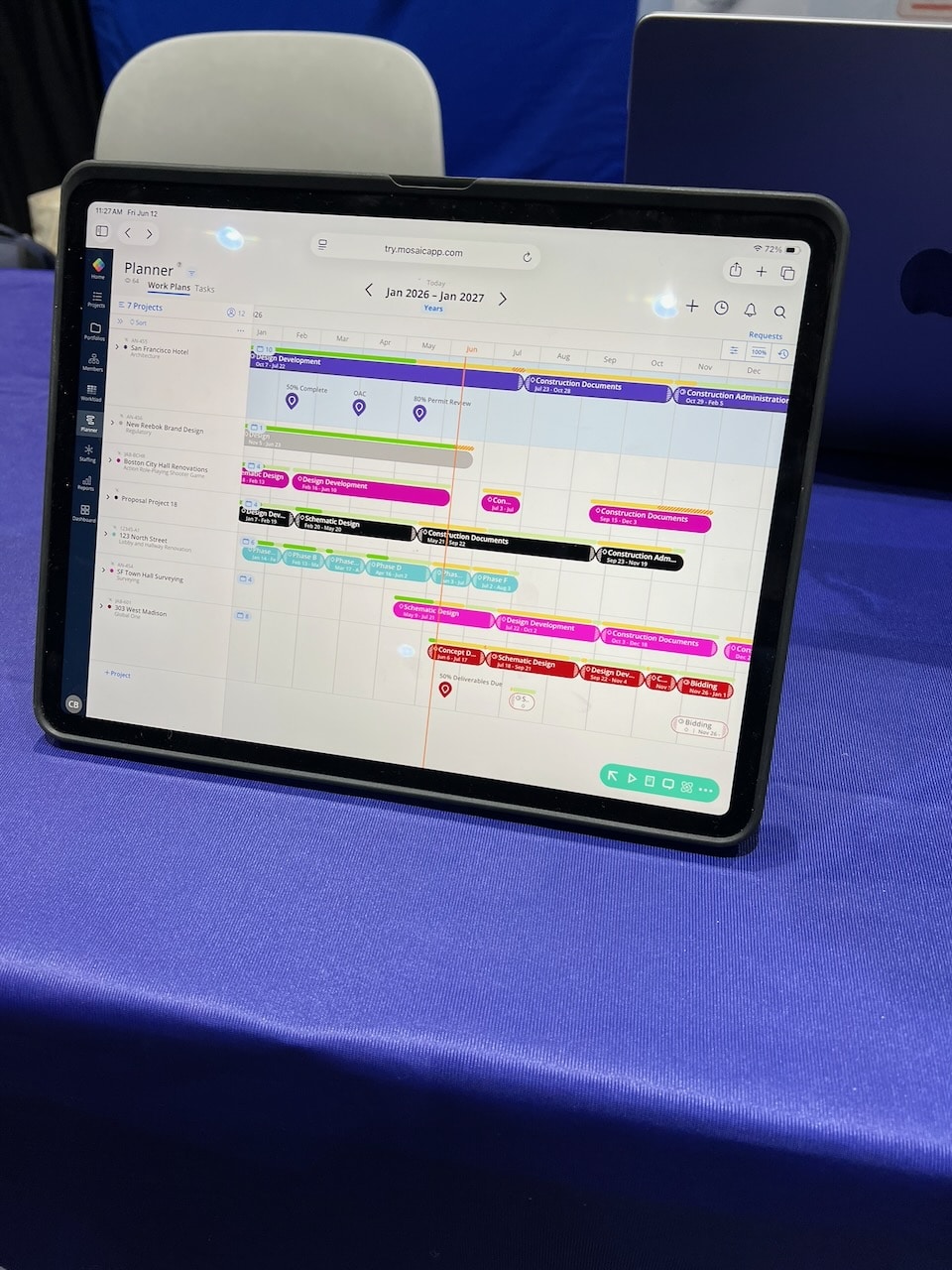
A view of Mosaic on an iPad at AIA26 inside their booth.
Mosaic’s AI technology automatically generates work assignments and decides based on who has the skills needed and their schedule availability. Of course, even well-laid plans change, and Mosaic has patented technology that automatically adjusts schedules smartly based on these changes.
Mosaic can generate and manage demand, utilization, profitability, and workloads and can determine things like when it is time to hire and for what roles and skills to hire for. The system can even predict (forecast) workload, profitability, and revenue. This kind of data and knowledge is presented smartly in live dashboards, variance reporting, and AI operational briefs so managers and leaders can see where time, budget, and schedule are tracking while there is still time to act. To learn more, visit here.
Other Show Reports
AIA26: Expo Show Report 1 — Autodesk
AIA26: Expo Show Report 2 — Nemetschek Group
AIA26: Expo Show Report 3 — Trimble and SketchUp
AIA26: Expo Show Report 4 — Chaos
AIA26: Expo Show Report 5 — neoBIM, and other AI apps
AIA26: Expo Show Report 6 — xFigura, CODii, others
AIA26: Expo Show Report 7 — Layer, Arcol, Egnyte and more…